High-speed 3D printers
Max speed (mm/s) is half marketing: without high acceleration and a hotend with enough flow (mm³/s), the headline number is never reached on real parts. That's why this list, sorted by claimed max speed, also shows acceleration and flow rate on each spec page — that's where truly fast printers separate from brochure-fast ones.
57 models · data verified against official spec sheets (sources on each page) · updated with every catalog change
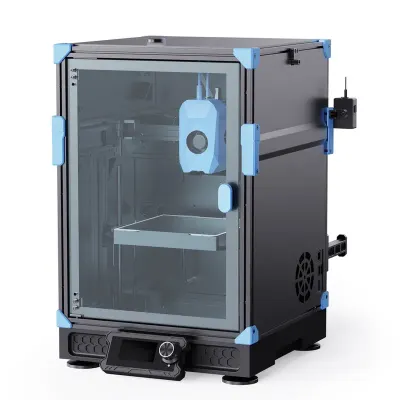
Zero
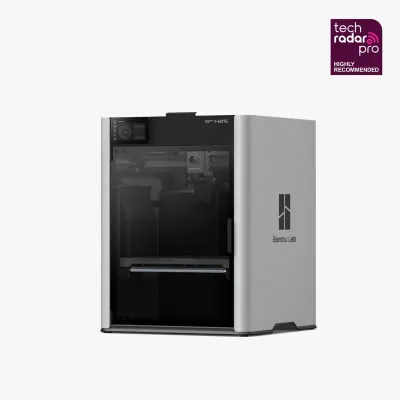
H2S

H2D

Max4
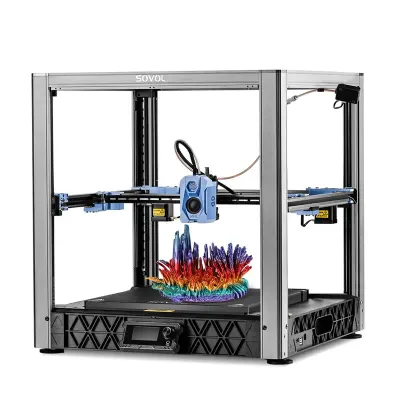
SV08

Ender-5 Max

SV08 Max

Q2C

Kobra X

AD5X
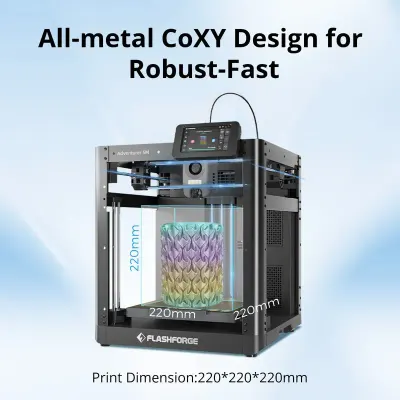
Adventurer 5M

SV06 ACE

M1 Pro

K2
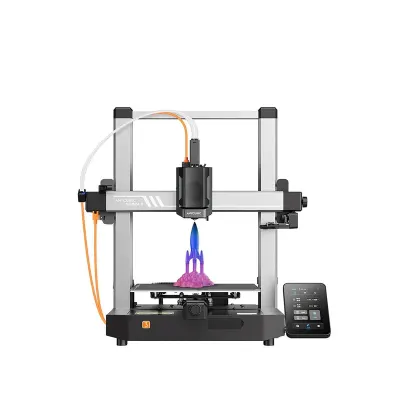
Kobra 3

Kobra 4
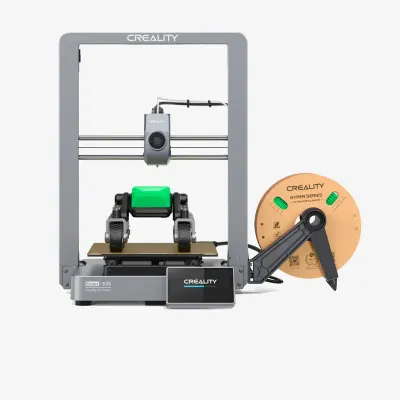
Ender 3 V3

Ender-3 V3 Plus
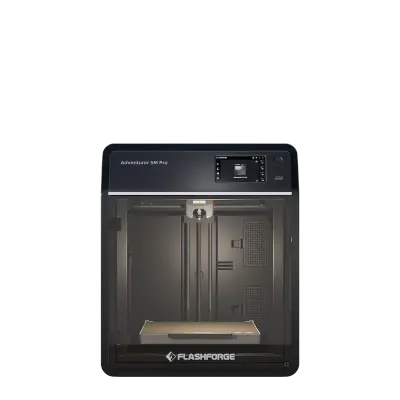
Adventurer 5M Pro
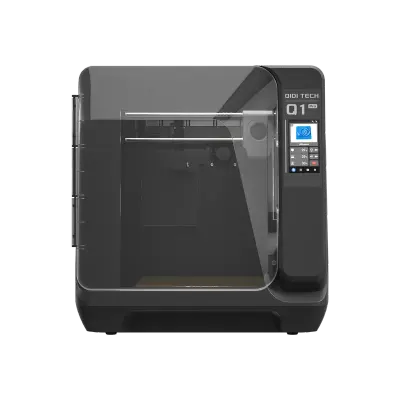
Q1 Pro

Q2
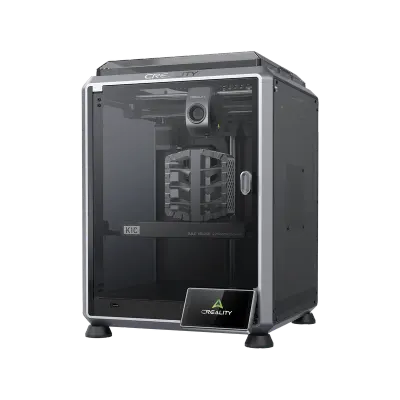
K1C
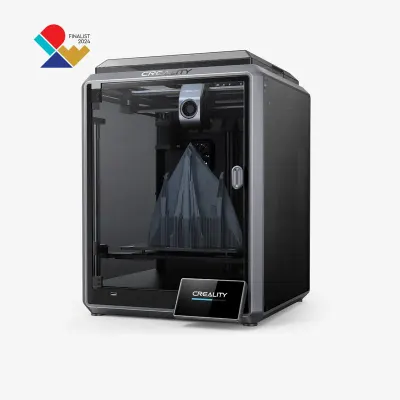
K1

X-Plus 3
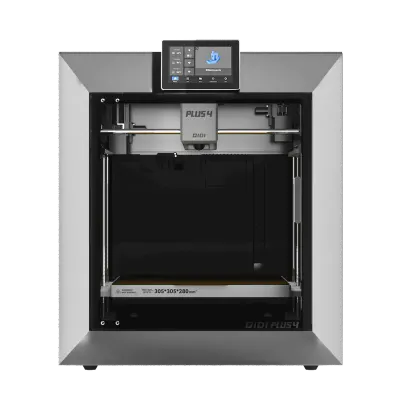
Plus4

K2 Pro
Kobra S1 Max
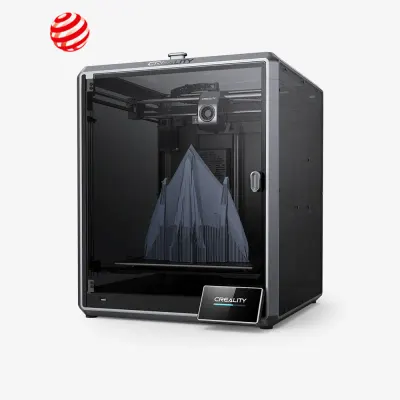
K1 Max
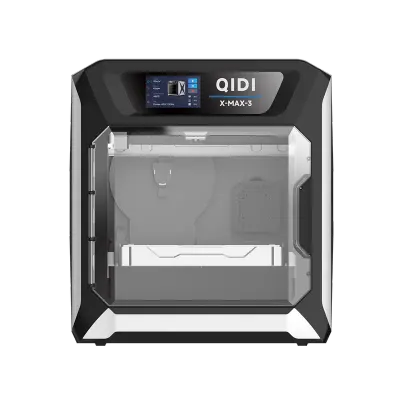
X-Max 3
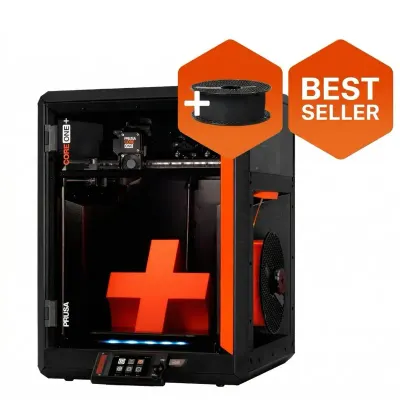
CORE One

CORE One+
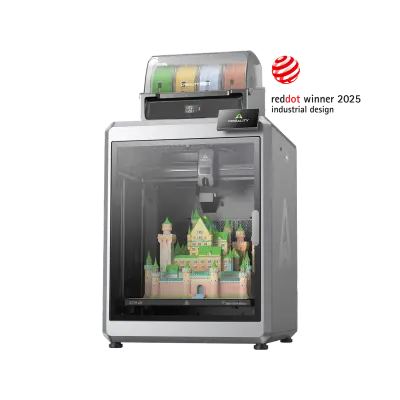
K2 Plus

Neptune 4
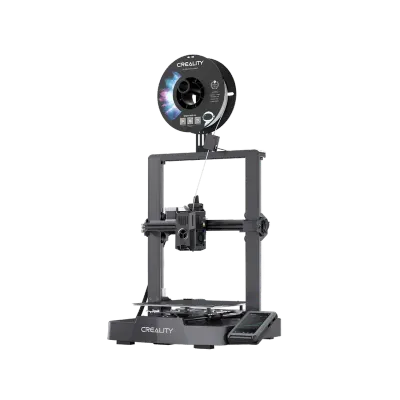
Ender 3 V3 KE
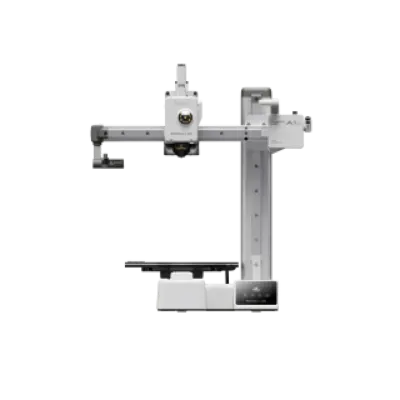
A1 Mini
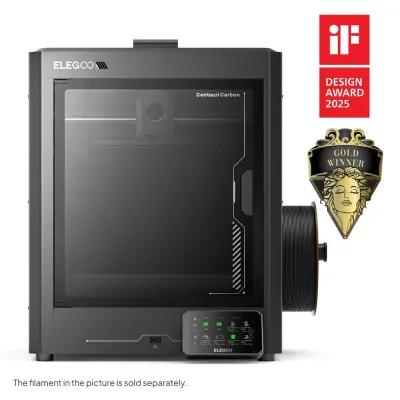
Centauri Carbon

Centauri Carbon 2
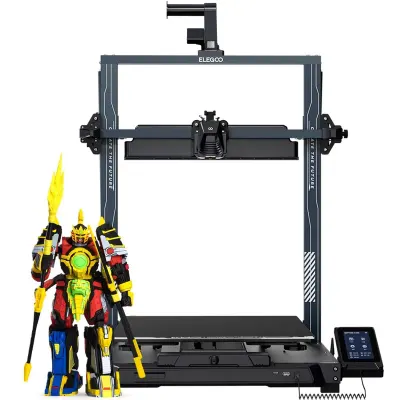
Neptune 4 Max
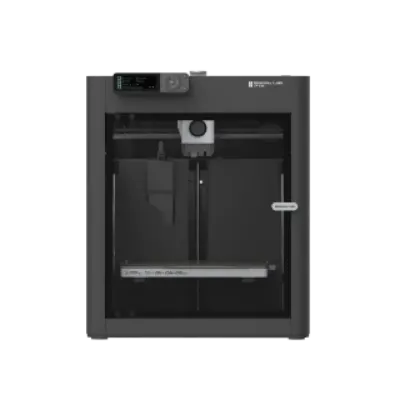
P1S

Neptune 4 Plus

K2 SE
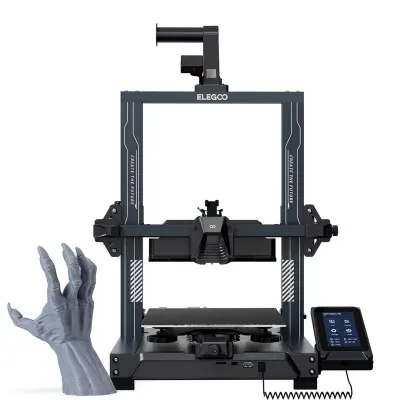
Neptune 4 Pro

Sidewinder X4 Plus

SV06 Plus ACE
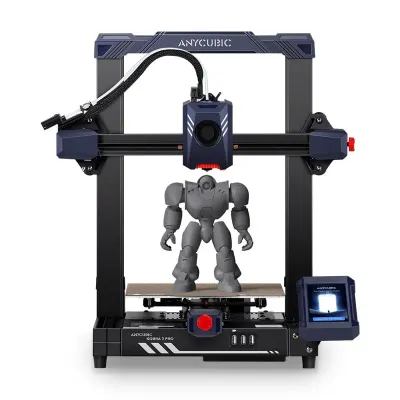
Kobra 2 Pro
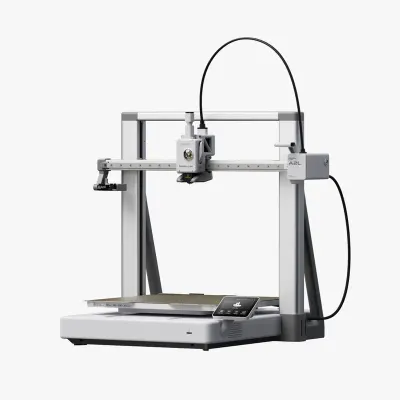
A2L
A1

X-Smart 3

SPARKX i7
Sidewinder X4 Plus S1
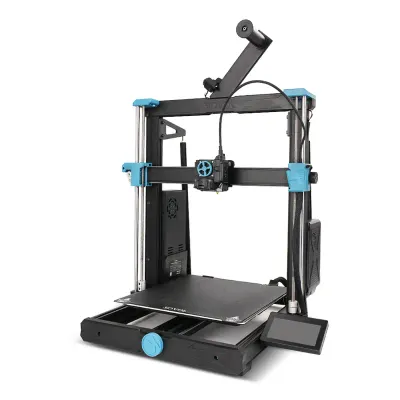
SV07 Plus
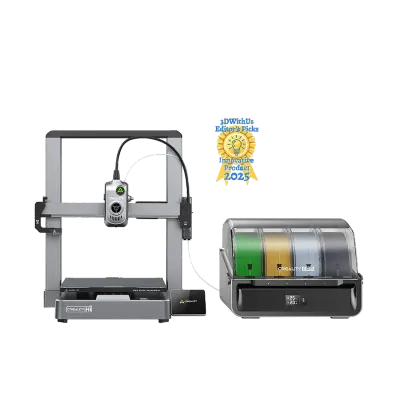
Hi Combo

U1
X1 Carbon
X1E

Guider 3 Ultra
Sidewinder X4 PRO S1
How to choose
Headline speed isn't real speed
The 600 mm/s on the box is the motion system's theoretical max, not the rate plastic comes out. The real ceiling is hotend flow in mm³/s: at 24 mm³/s with a 0.2 mm layer 0.4 mm wide, you won't clear roughly 300 mm/s no matter what the motors can do. Always read flow next to speed.
Acceleration is what actually saves you time
On a normal part, full of corners and detail, the head rarely reaches top speed: it spends its life accelerating and braking. That's why a 20,000 mm/s² machine at 300 mm/s finishes before a 5,000 mm/s² one boasting 600. Acceleration is the number you feel on the clock.
Fast without vibration compensation is fast and ugly
Input shaping is what prevents ghosting at speed. It's standard on most modern machines now, but check it self-calibrates with an accelerometer: if you have to measure and type values by hand, most people never do it and end up printing slowly anyway.
Faster doesn't always mean sooner
If your bottleneck is the first layer, bed heat-up or the time it takes you to pop the part off, a faster machine barely changes your afternoon. It pays off when you chain large parts or long batches, where flow and acceleration compound hour after hour.
FAQ
- Does a fast printer print worse?
- Not necessarily: with input shaping and vibration compensation (standard on most modern machines), high-speed quality is very good. The real limit is usually hotend flow: if it can't melt enough plastic per second, the printer slows itself down.
- What matters more: speed or acceleration?
- On small, detailed parts, acceleration (how fast it reaches speed). On large parts with long straight lines, top speed and hotend flow.
- Does printing fast wear the machine out sooner?
- More vibration and more heat mean more work for belts, bearings and fans, but machines designed for speed account for that. What does change is maintenance: check belt tension and grease the rails more often than on a slow printer.
- Can any filament handle high speed?
- No. Sustaining high flow takes 'high speed' PLA and PETG formulated to melt faster; regular filament forces the printer to slow down (or comes out under-extruded). And flexibles like TPU remain slow territory no matter how fast the machine is.