High-end 3D printers
Above €1,000 you're no longer paying to print PLA better: you pay for reliability to chain prints unattended, heated chambers for engineering materials (nylon, PC, carbon fiber) and production-oriented ecosystems. For hobby use, look at mid-range first — the part-quality gap is much smaller than the price gap.
22 models · data verified against official spec sheets (sources on each page) · updated with every catalog change
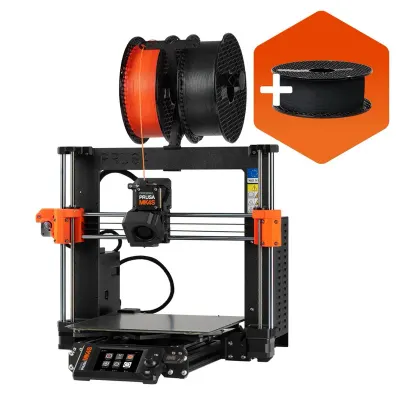
MK4S
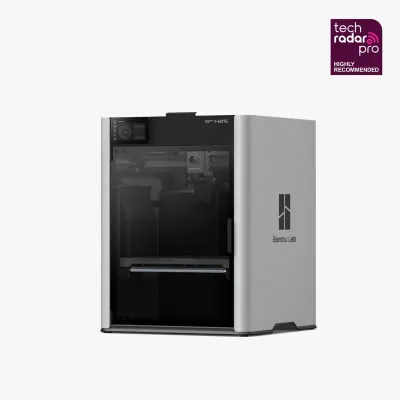
H2S

Max4
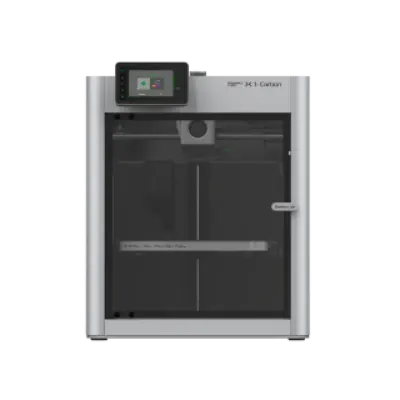
X1 Carbon

SV08 Max
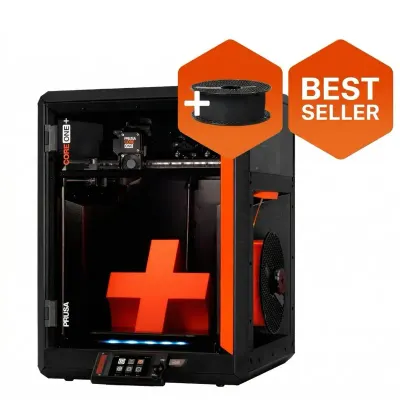
CORE One

CORE One+
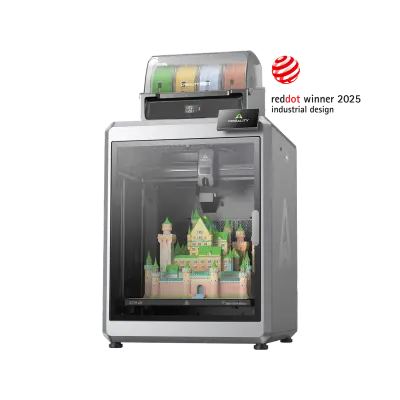
K2 Plus

Sonic Mega 8K

J1s

CORE One L

MakerBot Sketch Sprint
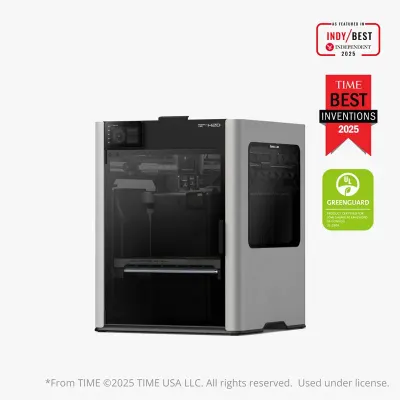
H2D

SL1S SPEED
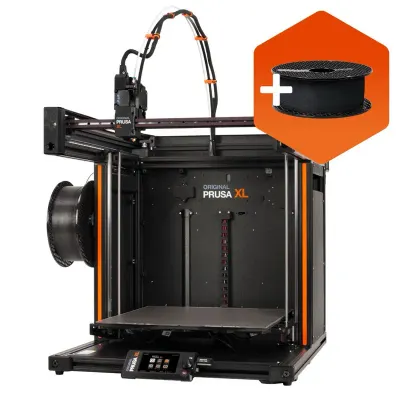
XL

OrangeStorm Giga
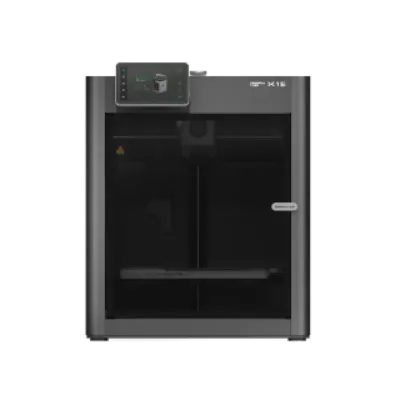
X1E

Artisan

Form 4

Guider 3 Ultra

S3
Sidewinder X4 PRO S1
How to choose
At the high end you're buying support, not specs
Above 1,000 € the numbers look much alike across brands. What changes is what happens when something breaks: whether official spares are actually on sale, how long service takes, and whether the community has already documented your fault. None of that shows in a table, and it decides whether the machine lasts five years.
Closed or open ecosystem: decide up front, not later
Some brands tie nozzles, profiles and even filament to their own system; others use standard formats. Neither is wrong, but changing your mind two years in is expensive. If you like tinkering and fitting your own upgrades, check the firmware isn't locked.
Reliability is measured in finished runs, not speed
On a working machine, a 5 % failure rate hurts far more than being 20 % slower: every failure is hours and material binned. Look for opinions from people printing daily for months, not first-week reviews.
If it's your first printer, the high end won't save you
These machines are more forgiving, but they still expect you to understand layers, temperatures and adhesion. Many people do better starting mid-range and moving up once they know what annoys them: that way the second purchase is guided by your own criteria instead of the seller's.
FAQ
- What do you get for over €1,000?
- Mainly reliability and materials: actively heated chambers, high-flow hotends, better calibration systems and support. For hobby PLA/PETG, the improvement is marginal versus a good mid-range machine.
- Which is best for engineering materials (nylon, PC, carbon fiber)?
- Look for an ACTIVELY heated chamber (not just enclosed), a 300°C+ hotend and a hardened steel nozzle. Check those specs on each printer's page from this list.
- Does a high-end machine print PLA better than mid-range?
- Barely: PLA is so easy that a good mid-range machine nails it. The difference shows when chaining 200 failure-free hours, printing filled nylon, or when the machine is a work tool and every stop costs money. If none of that is you, this list isn't for you — and that's useful information too.
- What maintenance does a production machine need?
- The same as any FDM (belts, nozzles, greasing) but with more discipline, because it racks up hours much faster. The high-end advantage is firmware that nags you on schedule and official spares actually in stock — check hotend and nozzle prices and availability before picking a model.